Complete Mortgage Affordability Calculator Ontario 2026: How Much House Can You Really Afford?
If you’re searching for a reliable **mortgage affordability calculator Ontario** can trust, you’re joining thousands of prospective homebuyers who need to understand their true purchasing power before diving into today’s competitive market. With 2026 bringing continued rate volatility and stricter lending requirements, knowing exactly how much house you can afford isn’t just helpful—it’s essential for avoiding costly mistakes.
As a FSRA-licensed mortgage broker serving Milton and the GTA since 2025, I work with clients daily who discover their affordability assumptions were either too conservative or dangerously optimistic. What I’m seeing with our clients in Ontario is that most people focus solely on monthly payments while overlooking the debt service ratios that actually determine approval.
In this guide, you’ll discover the exact calculations lenders use, understand Ontario’s specific affordability rules, and learn how to maximize your purchasing power while staying within safe financial boundaries.
Table of Contents
Key Takeaway
Ontario mortgage affordability depends on two critical ratios: your Gross Debt Service (GDS) ratio must stay under 32%, and your Total Debt Service (TDS) ratio must remain below 40%. These calculations determine your maximum purchase price more than your desired monthly payment.
Understanding Ontario’s Mortgage Affordability Calculator Rules for 2026
The mortgage affordability landscape in Ontario has evolved significantly in 2026. What makes this year different is the continued implementation of stricter stress test requirements and the impact of elevated interest rates on qualifying ratios.
In my experience working with homebuyers across Milton, Oakville, and Burlington, I see clients consistently surprised by how debt service ratios—not just income—determine their maximum purchase price. The Financial Consumer Agency of Canada emphasizes these ratios as the foundation of responsible lending.

The Two Critical Debt Service Ratios Every Ontario Buyer Must Know
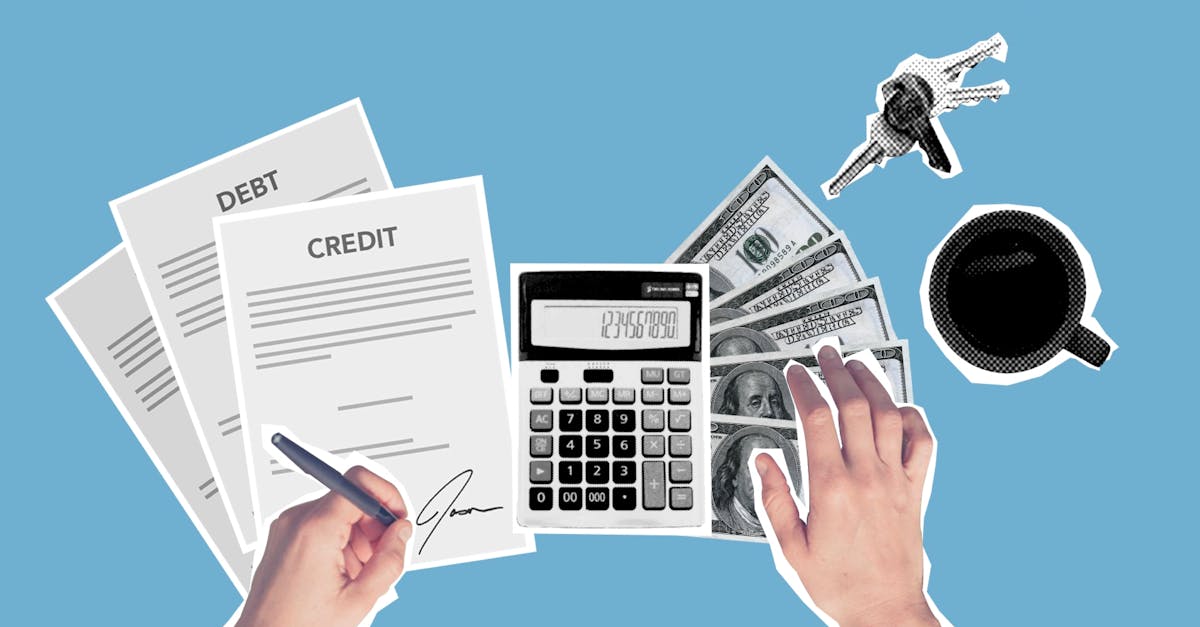
Your Gross Debt Service (GDS) ratio calculates housing costs as a percentage of gross income. This includes mortgage payments, property taxes, heating, and 50% of condo fees. The maximum allowable GDS ratio in Ontario is 32% for most lenders.
The Total Debt Service (TDS) ratio adds all other debt payments—credit cards, car loans, student loans—to your housing costs. This ratio cannot exceed 40% of your gross monthly income. Here’s what most people don’t realize: even a $300 monthly car payment can reduce your maximum mortgage by $60,000-$70,000.
How Ontario’s Mortgage Affordability Calculator Factors in the 2026 Stress Test
The mortgage stress test remains a critical component of affordability calculations in 2026. Buyers must qualify at either the Bank of Canada qualifying rate or their contract rate plus 2%, whichever is higher.
One thing I always tell clients is that the stress test isn’t designed to limit your purchasing power—it’s meant to ensure you can handle rate increases. A client earning $100,000 annually might qualify for a $450,000 mortgage at today’s rates, but the stress test ensures they can still afford payments if rates rise by 2%.

Good to Know
Ontario homebuyers can access our affordability calculator to run preliminary numbers, but remember that lender-specific requirements can vary. Some credit unions offer more flexible ratios for well-qualified borrowers.

Real-World Mortgage Affordability Scenarios for Ontario Buyers
Let me share some realistic scenarios I’m seeing with clients in 2026. A couple earning $120,000 combined with $800 in monthly debt payments can typically afford a home around $550,000-$600,000 with a 10% down payment, depending on property taxes and heating costs.
For self-employed buyers, the calculation becomes more complex. What we’re seeing with our self-employed clients in Ontario is that stated income programs through alternative lenders can provide more realistic affordability assessments when traditional income verification creates challenges.
Beyond the Basic Calculator: Maximizing Your Purchasing Power in Ontario
The reality is that basic mortgage affordability calculators only tell part of the story. Strategies like using a mortgage combo calculator to blend different rate products, or timing your purchase to take advantage of rate holds, can significantly impact your affordability.
In my experience working with homeowners in Milton and the GTA, clients who understand the full spectrum of mortgage products—including HELOC combinations and alternative lending options—often discover 10-15% more purchasing power than basic calculators suggest.

Important Consideration
Don’t max out your affordability just because you qualify. The Canada Mortgage and Housing Corporation recommends keeping housing costs below 32% of income to maintain financial flexibility for unexpected expenses and rate increases.
Areas We Serve in Ontario Region
Milton: As one of Canada’s fastest-growing cities, Milton attracts young families seeking affordable alternatives to Toronto prices. We work extensively with first-time buyers here navigating competitive offer situations and stress test qualifications on tight budgets. The average home price in Milton makes it an ideal market for buyers maximizing their mortgage affordability calculator results.
Oakville: Oakville’s premium market requires sophisticated affordability planning, especially for buyers moving up from starter homes. Our clients here often benefit from mortgage porting strategies when upgrading, allowing them to transfer existing rates while accessing additional financing for higher-priced properties.
Burlington: Burlington’s diverse housing stock—from condos to executive homes—means affordability calculations vary dramatically by property type. We help clients understand how condo fees impact GDS ratios and work with lenders who offer competitive rates for Burlington’s mature condominium market.
Mississauga: As Ontario’s third-largest city, Mississauga offers everything from affordable condos to luxury homes. Our clients here often require creative financing solutions, including construction mortgages for custom builds and alternative lending for unique income situations.
Why Ontario Clients Choose Zuzart Mortgages
As a FSRA-licensed mortgage broker (M25001564) with access to 50+ lenders including banks, credit unions, and alternative lenders, I provide personalized mortgage affordability assessments that go beyond basic calculator results. Since establishing my practice in 2025, I’ve specialized in helping clients understand their true purchasing power through comprehensive debt service ratio analysis.
What sets us apart is our focus on self-employed and complex income scenarios where traditional affordability calculators fall short. A recent client—a contractor from Milton earning $130,000 annually—was initially told by their bank they could only afford a $400,000 home. Through alternative lending channels and proper income documentation, we secured approval for $580,000, allowing them to purchase in their preferred neighbourhood.
As a Milton resident since 2014, I understand the local market dynamics that impact affordability calculations. Whether you’re dealing with stress test challenges or trying to avoid costly prepayment penalties when upgrading, our approach combines technical expertise with practical local knowledge.
Frequently Asked Questions
How accurate are online mortgage affordability calculators for Ontario buyers?
Online mortgage affordability calculators provide helpful estimates, but they often miss lender-specific requirements and Ontario’s unique factors like land transfer taxes and CMHC insurance. Professional assessment considers your complete financial picture including credit score, employment type, and debt structure for more accurate results.
What’s the difference between what I can afford and what I should spend on a home?
Maximum affordability based on debt service ratios represents your lending limit, not necessarily your comfort zone. I recommend clients budget for 25-28% of gross income on housing costs rather than the maximum 32%, leaving room for rate increases, maintenance, and other financial goals.
How do property taxes affect my mortgage affordability in Ontario?
Property taxes are included in your GDS ratio calculation, directly impacting your maximum mortgage amount. A home with $6,000 annual property taxes reduces your available mortgage by approximately $150,000 compared to a property with $3,000 taxes, assuming the same purchase price.
Can I improve my affordability without increasing my income?
Absolutely. Paying down consumer debt, improving your credit score, or choosing a longer amortization can increase affordability. Eliminating a $400 monthly car payment could increase your maximum mortgage by $80,000-$90,000, depending on your income level and other factors.
How does being self-employed affect mortgage affordability calculations in Ontario?
Self-employed borrowers face stricter income verification requirements, typically needing two years of tax returns and financial statements. However, alternative lenders offer stated income programs that can provide more realistic affordability assessments for established self-employed professionals with strong credit profiles.
Ready to Discover Your True Purchasing Power?
Get a personalized affordability assessment that goes beyond basic calculator results.